Introduction
There are some buildings you notice, and then there are buildings that stop you in your tracks. The Solomon R. Guggenheim Museum belongs firmly in the second category. Even before you step inside, the museum feels different — not just because of the art it holds, but because of the way it exists in the city.
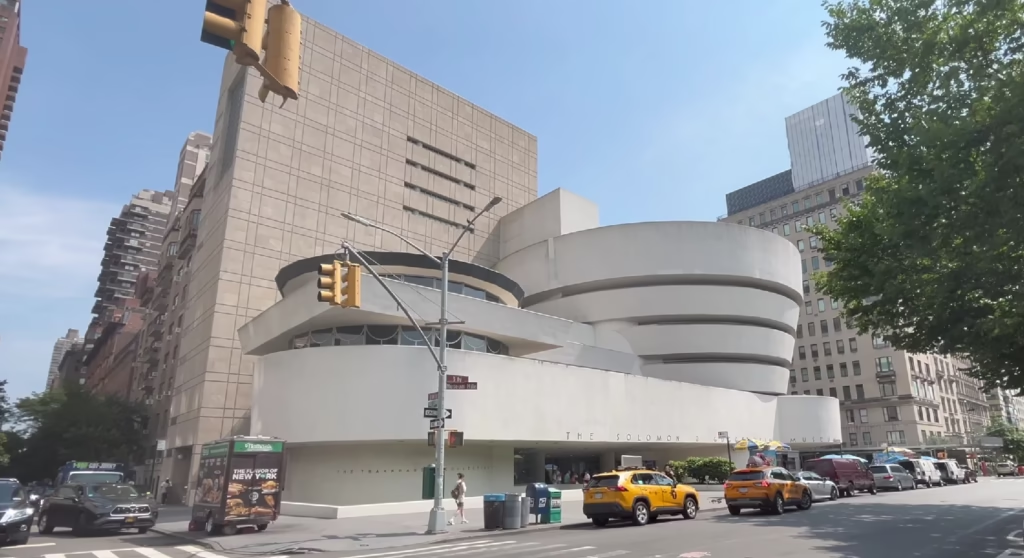
Located along Fifth Avenue in New York City, the Guggenheim doesn’t look like a traditional museum. There are no grand staircases or stone columns. Instead, the building rises like a smooth white spiral, quietly standing out among the straight lines of Manhattan. For many visitors, the architecture alone is reason enough to visit.
But the Guggenheim is more than just a striking building. It’s a place where modern art, innovative design, and visitor experience come together in a way few museums manage. Whether you’re deeply interested in art or simply curious, the museum invites you to explore at your own pace — walking upward through a continuous ramp instead of moving from room to room.
What makes the Solomon R. Guggenheim Museum especially appealing is how approachable it feels. You don’t need to be an art expert to enjoy it. The layout naturally guides you, the exhibits are thoughtfully curated, and the experience feels less overwhelming than many large museums in New York.
For travelers visiting NYC for the first time, the Guggenheim offers something unique. For returning visitors, it offers a fresh perspective every time, thanks to rotating exhibitions and a constantly evolving collection. And for anyone who appreciates design, history, or creativity, it leaves a lasting impression.
In this guide, you’ll find everything you need to plan your visit to the Solomon R. Guggenheim Museum — from what makes it special to what you should see inside, how to get there, ticket tips, and the best time to visit. By the end, you won’t just know about the museum – you’ll know exactly how to experience it.
1. Why the Solomon R. Guggenheim Museum Is So Famous
The Solomon R. Guggenheim Museum is famous for two equally important reasons:
its groundbreaking architecture and its role in shaping modern art appreciation.
What makes it special is that these two elements are inseparable — the building itself is part of the experience.
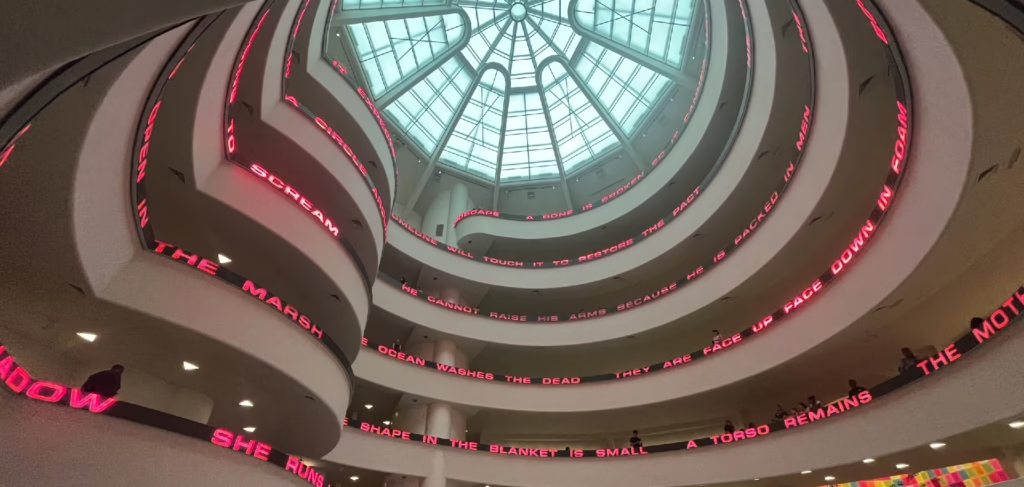
An Architectural Landmark by Frank Lloyd Wright
The Guggenheim Museum is one of the most recognized works of Frank Lloyd Wright, one of the most influential architects in American history. Unlike traditional museums built with straight corridors and separate rooms, Wright designed the Guggenheim as a continuous spiral.
Instead of moving from gallery to gallery, visitors follow a gentle ramp that curves upward around a central open space. This design allows people to view art in a smooth, uninterrupted flow rather than stopping and starting in boxed rooms.
When the museum opened to the public in 1959, its design was controversial. Many critics felt it broke too many rules. Over time, however, the building came to be celebrated as a masterpiece of modern architecture. Today, it is widely regarded as one of the most important museum buildings in the world.
The structure itself is now protected as a historic landmark and is part of a UNESCO-recognized group of Frank Lloyd Wright works — a rare distinction for a museum.
A Museum Designed Around the Visitor Experience
One reason the Guggenheim stands out is how intuitive it feels to visit. The layout naturally guides you upward or downward without confusion. You don’t need a map to understand where to go next.
This makes the Solomon R. Guggenheim Museum especially appealing for:
- First-time museum visitors
- Travelers who feel overwhelmed by large museums
- Visitors who want a relaxed, self-paced experience
The open central rotunda also creates a sense of connection. You’re aware of other visitors, the architecture, and the art all at once, which makes the experience feel shared rather than isolated.
A Strong Focus on Modern and Contemporary Art
The Guggenheim Museum is best known for its focus on modern and contemporary art. Over the years, it has built a reputation for showcasing influential movements and artists that changed how people think about art.
The museum’s collection and exhibitions often include works related to:
- Early modern art
- Abstract and non-representational art
- Experimental and forward-thinking artists
Rather than trying to show everything, the Guggenheim focuses on ideas, innovation, and artistic evolution. This approach makes the museum feel thoughtful and curated instead of overwhelming.
Because exhibitions change regularly, no two visits are exactly the same. This is one of the reasons many travelers return to the Guggenheim more than once.
How the Building Changes the Way You See Art
The spiral design doesn’t just look different — it actually changes how you experience art.
As you move along the ramp:
- Your perspective shifts gradually
- Art appears from different angles
- Natural light from above influences how pieces feel
This creates a sense of movement and progression. You’re not just looking at art; you’re moving through it.
This relationship between space and artwork is one of the museum’s defining features and a key reason architecture students, designers, and creatives from around the world visit the Guggenheim.
Why the Guggenheim Is Still Relevant Today
Even decades after opening, the Solomon R. Guggenheim Museum remains relevant because it continues to evolve. It hosts rotating exhibitions, collaborates with international institutions, and presents art in ways that challenge traditional expectations.
At the same time, the museum has stayed true to its original purpose:
to make modern art accessible, engaging, and meaningful for the public.
This balance between innovation and accessibility is what keeps the Guggenheim important — not just as a museum, but as a cultural landmark.
2. What to See Inside the Solomon R. Guggenheim Museum & How Much Time You Need
One of the most common questions visitors ask is:
“What exactly will I see inside the Solomon R. Guggenheim Museum?”

The answer depends on when you visit — but that’s part of what makes the Guggenheim special. The museum combines a core identity with rotating exhibitions, ensuring every visit feels fresh while still staying true to its mission.
One of the most common questions visitors ask is:
“What exactly will I see inside the Solomon R. Guggenheim Museum?”
The answer depends on when you visit — but that’s part of what makes the Guggenheim special. The museum combines a core identity with rotating exhibitions, ensuring every visit feels fresh while still staying true to its mission.
1. The Central Rotunda (The Heart of the Museum)
The moment you step inside the Guggenheim, you enter the central rotunda, an open, circular space that rises all the way to the skylight above. This area isn’t just an entrance — it’s a defining architectural feature.
- The spiral ramp wraps around the rotunda
- Natural light filters down from above
- You can see multiple levels at once
This space often hosts large-scale or site-specific installations, carefully chosen to work with the building’s shape. Even when no installation is present, the rotunda itself is considered a highlight.
Many visitors spend several minutes here just observing the space before starting their walk.
2. The Spiral Ramp Galleries
Instead of traditional floors, the Guggenheim’s main exhibitions are displayed along the continuous spiral ramp.
What makes this unique:
- Art is viewed in a single, flowing sequence
- You don’t need to decide where to go next
- The experience feels guided but not forced
Most visitors choose one of two approaches:
- Start at the top and walk down (recommended by many museum guides)
- Start at the bottom and walk up at a slower pace
Both are acceptable, and neither affects the experience negatively.
3. Modern Art Focus (What You’ll Typically See)
While exhibitions change, the Solomon R. Guggenheim Museum is known for showcasing works related to modern and contemporary art.
Visitors commonly encounter:
- Abstract art
- Conceptual works
- Experimental forms
- Artists who challenged traditional styles
The museum’s approach emphasizes ideas and artistic movements, not just individual pieces. Labels and descriptions are designed to be accessible, even for visitors without an art background.
You don’t need to understand every artwork to enjoy the visit — curiosity is enough.
4. Special Exhibitions & Temporary Shows
One of the museum’s strengths is its rotating exhibition schedule. Instead of relying solely on permanent displays, the Guggenheim frequently hosts temporary exhibitions curated around themes, artists, or movements.
Because of this:
- Each visit can feel completely different
- Repeat visitors often have new experiences
- The museum stays culturally relevant
For the most up-to-date exhibition details, visitors are always encouraged to check the official Guggenheim Museum website before arriving.
(This is standard practice for all major museums.)
5. Additional Spaces Inside the Museum
Beyond the main ramp, the museum includes:
- Smaller gallery rooms used for focused exhibits
- Educational spaces for talks and programs
- Museum shop, featuring books, art prints, and design items
- Café, where visitors can take a break
These areas add to the overall experience without feeling distracting or commercial.
6. How Much Time Should You Plan for a Visit?
This depends on your interest level, but here’s a realistic and honest estimate:
| Visitor Type | Recommended Time |
|---|---|
| Casual visitor | 1–1.5 hours |
| Art lover | 2–3 hours |
| Architecture/design enthusiasts | 2+ hours |
| Photography & slow exploration | 3 hours |
Most travelers find 1.5 to 2 hours ideal — enough time to enjoy the art without fatigue.
The Guggenheim’s layout naturally prevents burnout, which is one reason many visitors find it easier to explore than larger museums.
7. Is the Guggenheim Worth Visiting If You’re Not an Art Expert?
Yes — and this is important.
The museum is designed to be:
- Walkable
- Intuitive
- Visually engaging
Many visitors come primarily for the architecture and leave surprised by how much they enjoyed the art. You’re not expected to analyze or interpret everything. The experience is personal, and that’s intentional.
3. How to Reach the Solomon R. Guggenheim Museum, Best Time to Visit & Ticket Tips
Planning your visit properly can make a big difference in how much you enjoy the Solomon R. Guggenheim Museum. This section answers the most practical questions visitors usually have before going.
Where Is the Solomon R. Guggenheim Museum Located?
The museum is located on Fifth Avenue in Manhattan, directly across from Central Park’s eastern side. This location makes it easy to combine a Guggenheim visit with other New York City attractions.
The surrounding area is safe, walkable, and well-connected by public transportation
How to Reach the Guggenheim Museum
By Subway (Most Convenient Option)
New York’s subway system is one of the easiest ways to reach the museum.
- Several subway lines stop within walking distance
- Stations near Fifth Avenue and the Upper East Side are commonly used
- From the station, it’s a short walk to the museum entrance
This is the preferred option for most visitors.
By Bus
Multiple city bus routes run along Fifth Avenue and nearby streets.
- A good option if you prefer surface travel
- Useful for sightseeing along the way
By Taxi or Rideshare
Taxis and rideshare services are widely available in New York City.
- Convenient if you’re traveling with others
- Drop-off points are available near the museum
Traffic can be heavy during peak hours, so allow extra time.
By Walking
If you’re staying nearby or exploring Central Park, walking to the Guggenheim is a great option.
- Scenic route along Central Park
- Easy to combine with nearby museums
Best Time to Visit the Guggenheim Museum
Best Time of Day
- Early morning or later in the afternoon is usually quieter
- Midday hours tend to be more crowded
If you prefer a calmer experience, arriving early is often the best choice.
Best Days of the Week
- Weekdays are generally less busy
- Weekends attract more visitors, especially during tourist seasons
If your schedule allows, a weekday visit offers a more relaxed experience.
Tickets & Entry Tips (Important)
Ticket policies and pricing can change, so it’s always best to rely on official sources.
What to Know:
- Tickets are required for entry
- Prices may vary by visitor type
- Some days or times may offer special access options
Smart Tips:
- Book tickets in advance when possible
- Check the official Guggenheim Museum website for the latest updates
- Plan your visit time carefully to avoid peak crowds
This ensures you don’t face unexpected delays or sold-out time slots.
Accessibility & Visitor Comfort
The Guggenheim Museum is designed to accommodate a wide range of visitors.
- Elevators are available
- Seating areas are placed throughout the museum
- Staff are available to assist visitors when needed
If you have specific accessibility needs, the museum provides detailed information on its official website.
Nearby Attractions You Can Combine with Your Visit
One of the advantages of the Guggenheim’s location is how close it is to other major attractions:
- Central Park – directly across the street
- Other well-known museums along Fifth Avenue
- Cafés and walking paths nearby
Many visitors plan a half-day around this area.
4. Nearby Things to Do After Visiting the Guggenheim
1. Walk Through Central Park
Directly across the street from the museum, Central Park offers a calm contrast to the structured museum experience.
- Take a relaxed walk along tree-lined paths
- Sit by nearby benches or grassy areas
- Perfect for unwinding after viewing exhibitions
This is one of the easiest and most rewarding add-ons to your visit.
2. Explore Other Museums Along Fifth Avenue
The Upper East Side is known as Museum Mile.
- Several world-famous museums are within walking distance
- You don’t need to visit them all — even walking past them is enjoyable
- Great for art and culture lovers
You can easily spend a full afternoon in this area.
3. Enjoy Cafés & Restaurants Nearby
The neighborhood around the Guggenheim has plenty of cafés and casual dining spots.
- Ideal for coffee breaks
- Good lunch and light dinner options
- Suitable for solo travelers and couples
Taking a break nearby allows you to reflect on your visit without rushing.
4. Scenic Fifth Avenue Walk
Walking south along Fifth Avenue gives you:
- City views
- Designer storefronts
- A classic New York atmosphere
This is a simple way to continue your day without planning too much.
FAQs
Is the Solomon R. Guggenheim Museum worth visiting?
Yes. The museum is widely considered worth visiting for its unique architecture, carefully curated exhibitions, and visitor-friendly layout, even for those new to modern art.
How long does it take to visit the Guggenheim Museum?
Most visitors spend 1.5 to 2 hours exploring the museum comfortably, though art enthusiasts may spend longer.
Do I need to book tickets in advance?
While same-day tickets may be available, booking in advance is recommended, especially during busy periods.
Is the Guggenheim suitable for first-time museum visitors?
Yes. The spiral layout makes navigation simple, and the museum does not feel overwhelming compared to larger institutions.
Can I combine the Guggenheim with other attractions in one day?
Yes. Its location near Central Park and other museums makes it easy to plan a half-day or full-day itinerary.
Conclusion:
Some museums impress you with size. Others impress you with collections. The Solomon R. Guggenheim Museum does something different — it changes how you experience art altogether.
From the moment you step inside, the building itself becomes part of the journey. The spiral design guides you naturally, encouraging slow observation rather than rushed movement. You don’t feel pressured to understand everything. You’re simply invited to look, walk, and feel.
Whether you visit for the architecture, the exhibitions, or simple curiosity, the Guggenheim offers an experience that stays with you long after you leave Fifth Avenue. It’s approachable without being ordinary, iconic without being intimidating.
For travelers exploring New York City, the Guggenheim isn’t just another stop — it’s a reminder that creativity can shape how we move through spaces and ideas. And that’s exactly why it continues to matter.
Other Content
Road Trip From New York to Miami – Read More
Road Trip Guide for Christmas in New York – Read More
Discover more from Escapebyroad
Subscribe to get the latest posts sent to your email.