There are places that remind you how small you are… and how beautiful the world can be when you finally step away from crowded cities and noisy routines. Sequoia National Forest is one of those rare places — a landscape so powerful, so ancient, and so unbelievably peaceful that you feel like you’ve entered another lifetime.
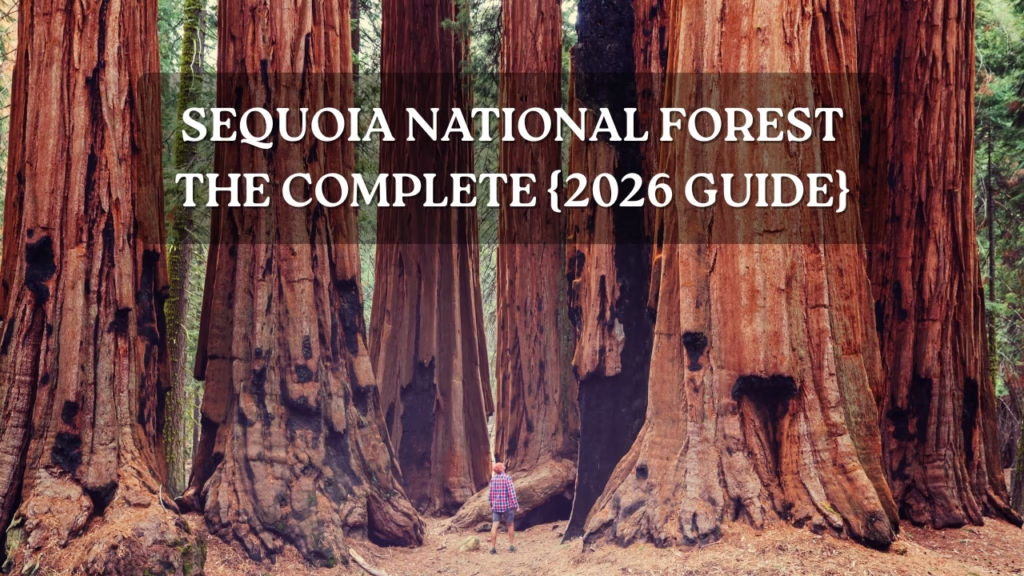
Imagine standing at the base of a giant sequoia tree — a living being older than entire civilizations, stretching into the sky like a natural cathedral. Imagine quiet forest roads lined with moss, sunlight slipping between branches, waterfalls hidden deep in the woods, and granite domes rising above endless wilderness. This is not the busy, heavily visited Sequoia National Park most people talk about — this is Sequoia National Forest, a quieter, more expansive, more local-secret version that gives you the same magic with far fewer crowds.
Most travelers don’t even realize that the forest is 1.1 million acres, packed with scenic drives, lakes, overlooks, and giant trees — and many areas are completely free to enter. If you’re planning a California road trip, a nature escape with your partner, a family adventure, or even a peaceful solo retreat, this guide will give you everything you need to know.
And when I say everything — I mean everything.
This is the only guide you’ll need. No more searching 10 different websites.
Inside this blog, you’ll find:
Whether you’re coming from LA, San Diego, San Francisco, Las Vegas, or anywhere in between, this blog will help you plan every detail clearly.
Let’s begin.
What Is Sequoia National Forest?
Many travelers confuse Sequoia National Forest with Sequoia National Park, but they are two different places.
Sequoia National Forest
- Managed by the U.S. Forest Service
- 1.1 million acres
- Includes giant sequoias, lakes, waterfalls, hiking trails
- Cheaper and less crowded
- Free access to many areas
- Popular areas: Trail of 100 Giants, Kern Plateau, Hume Lake, Needles Lookout
Sequoia National Park
- Managed by National Park Service
- Smaller but more famous
- Home to General Sherman Tree
- More expensive (national park fees apply)
- Very crowded in summer
Most travelers don’t realize that the largest groves of giant sequoias exist in the forest, not just the national park.
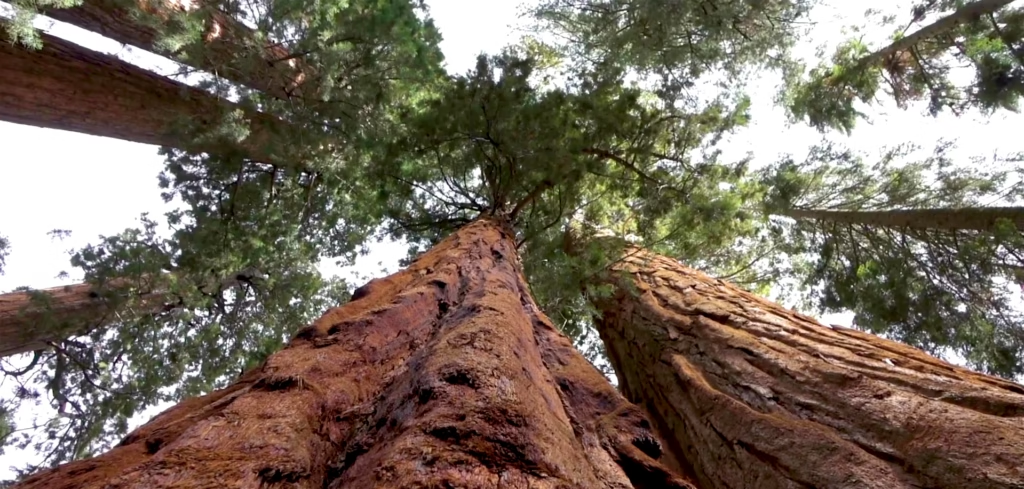
If you want dramatic nature with fewer crowds and more freedom, Sequoia National Forest is perfect.
Why Visit Sequoia National Forest?
Here are the top reasons this place deserves a spot on your California travel list:
- See giant sequoia trees without crowds
Trail of 100 Giants is one of the best giant-tree walks in California — quiet, magical, peaceful. - Scenic mountain roads
Sherman Pass, Johnsondale Bridge area, and Greenhorn Mountain are breathtaking. - Free or low-cost travel
Many areas have no entrance fee, perfect for budget travelers. - Remote lakes and rivers
Perfect for kayaking, paddleboarding, fishing, and photography. - Ideal for couples, families & solo travelers
There is something for every travel style.
Best Time to Visit Sequoia National Forest (Season-by-Season)
The forest is open year-round, but seasons look very different.
Spring (March–May) — Best for Waterfalls
- Snow melts create strong river flow
- Cooler temperatures
- Perfect for hikes & photography
- Fewer crowds
Recommended: April for best conditions
Summer (June–August) — Best for Lakes & High Elevation
- Perfect weather
- Ideal for camping
- High-elevation areas like Sherman Pass fully open
Note: Lower areas get hot
Fall (September–November) — Best Overall Season
- Golden colors
- Comfortable temperatures
- Best time for road trips
- Fewer tourists compared to summer
This is my #1 recommendation for visiting.
Winter (December–February) — Peaceful but Cold
- Some high-elevation roads close
- Forest becomes extremely quiet
- Perfect for snow photography
- Best for cheaper stays
Winter is beautiful but requires snow chains in certain areas.
IMPORTANT
If you want the smoothest driving experience, visit between:
→ Late May to mid-October
Roads stay clear and all major viewpoints are accessible.
How to Reach Sequoia National Forest
Sequoia National Forest is located in the southern Sierra Nevada range of California. Because the forest is HUGE and spread across multiple districts (Kern River District, Hume Lake District, Western Divide District), there is no single entrance. The best entry point depends on where you are coming from.
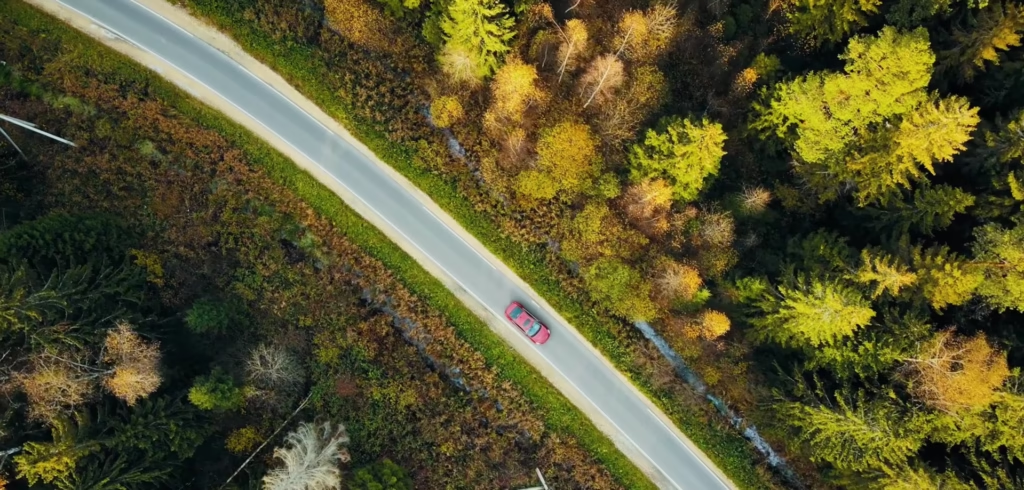
Below are the most popular starting cities, with routes, distances, travel times, and road trip tips.
From Los Angeles to Sequoia National Forest
Distance: 180–220 miles
Travel Time: 3.5–4.5 hours
Best Route (Fastest)
Route: I-5 North → CA-99 North → CA-65 North → CA-190 East
Ideal For: Trail of 100 Giants, Kern River, Western Divide Highway
What You’ll See
- Orange groves and farm fields
- Sierra foothills rising quietly in the distance
- Winding mountain roads entering sequoia groves
Why LA Travelers Love This Route
It’s smooth, direct, and gives you mountain views without difficult driving.
From San Diego to Sequoia National Forest
Distance: 300–330 miles
Travel Time: 5–6 hours
Best Route
I-5 North → CA-99 North → CA-65 North → CA-190 East
Scenic Alternative Route
Take I-15 North → CA-395 → detour to Lake Isabella → enter via Kern River Canyon.
This route is TRULY stunning — perfect for photographers.
From San Francisco to Sequoia National Forest
Distance: 260–290 miles
Travel Time: 4.5–5.5 hours
Best Route (Fast & Easy)
I-580 East → I-5 South → CA-99 South → CA-198 East OR CA-190 East
Scenic Detour
Take CA-41 toward Yosemite, then cut through Sierra National Forest down into the Sequoia region — expect incredible mountain scenery.
From Fresno to Sequoia National Forest
Distance: 55–80 miles
Travel Time: 1.5–2 hours
Fresno is the closest major city, making it the perfect home base.
Best Route
CA-180 East → Hume Lake District entrances
Why It’s Great
You can reach waterfalls, lakes, and giant trees in under 2 hours.
From Bakersfield to Sequoia National Forest
Distance: 45–65 miles
Travel Time: 1–1.5 hours
Best Route
CA-178 East → Kern River Canyon → Forest access roads
OR
CA-65 North → CA-190 East
Tip
This is one of the most underrated scenic drives in California.
From Las Vegas to Sequoia National Forest
Distance: 290–330 miles
Travel Time: 5–6 hours
Best Route
I-15 South → CA-58 West → CA-178 West → Kern River Canyon → Sequoia NF
Why This Route Is Amazing
You move from desert to mountains to giant forests — all in one drive.
Road Trip Routes (Detailed + Scenic Stops)
Here are the best scenic routes for travelers who want a beautiful drive.
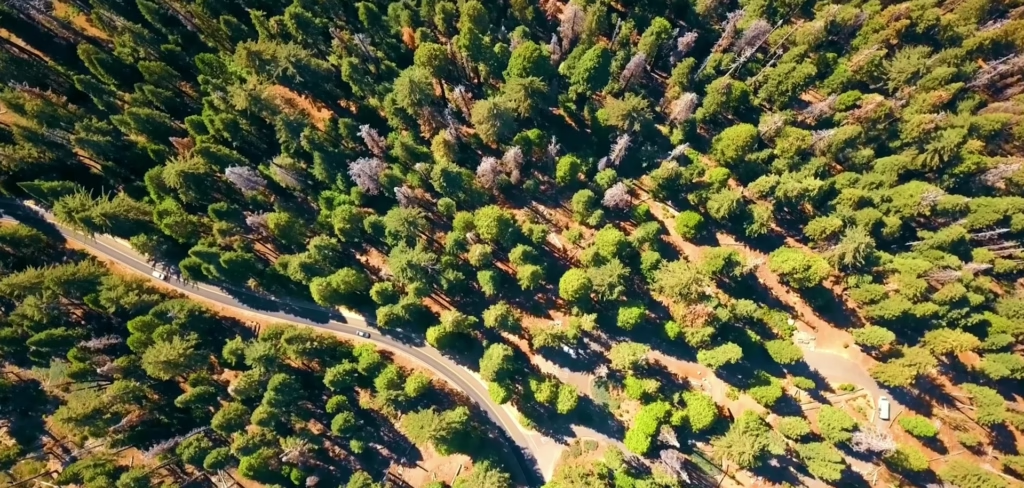
1. Western Divide Highway Route (Most Scenic – From CA-190)
Best for: Trail of 100 Giants, Needles Lookout, Dome Rock
Good Starting Points: LA, San Diego, Bakersfield
Directions
Follow CA-190 East → continue to Great Western Divide Highway (M-107)
Must-See Stops
- Trail of 100 Giants → the best giant sequoia walk
- Dome Rock → short walk + incredible Sierra views
- Needles Lookout Trailhead → granite towers & dramatic cliffs
- Quaking Aspen Campground → peaceful forest environment
2. Kern River Canyon Route (From Bakersfield or Las Vegas)
Best For: Lake access, river recreation, scenic canyon walls
Route: CA-178 East → Kern River Canyon → Johnsondale Bridge
Must-Stops
- Lake Isabella – mountain lake perfect for photos
- Kern River pullouts – picnic areas, swimming, misty rapids
- Johnsondale Bridge – gateway to the world-famous river trail
3. Hume Lake Scenic Route (From Fresno)
Route: CA-180 East → Hume Lake Road
Must-Stops
- Hume Lake Recreation Area – crystal-clear water + boating
- Panoramic Point Overlook – jaw-dropping Sierra views
- Stump Meadow – unique forest scenery
This route is AMAZING in fall.
4. Sherman Pass Road Route (High Elevation)
Only open late spring → mid fall
Route: CA-155 → Sherman Pass Road
Must-Stops
- Sherman Pass Overlook – elevation above 9,000 ft
- Great Western Divide views – endless mountain ridges
- Possible wildlife sightings – deer, black bear, foxes
This is a photographer’s dream.
Budget Guide: What’s Free & What Isn’t (Sequoia National Forest)
| Cost Type | Price Range | Description |
|---|---|---|
| Forest Entry | FREE | No entrance fee required for most areas of Sequoia National Forest. |
| Parking Fees | $5–$10 | Applies only at select day-use sites and developed recreation areas. |
| Day-Use Areas | $5–$10 | Fees vary by district; covers picnic spots, boat ramps, etc. |
| Camping Fees | $22–$40 per night | Depends on campground, season, and facilities. |
| Wilderness/Backcountry Permits | Free–$10 | Required for overnight trips in some wilderness zones. |
| Campfire Permit | FREE | Required for campfires or stoves; available on CAL FIRE website. |
| America the Beautiful Pass | $80/year | Not required for most forest areas, but useful for multiple national parks. |
Things to Do in Sequoia National Forest (Complete List)
Sequoia National Forest covers 1.1 million acres, so there is a LOT to see. This guide simplifies everything for beginners so they don’t feel overwhelmed.
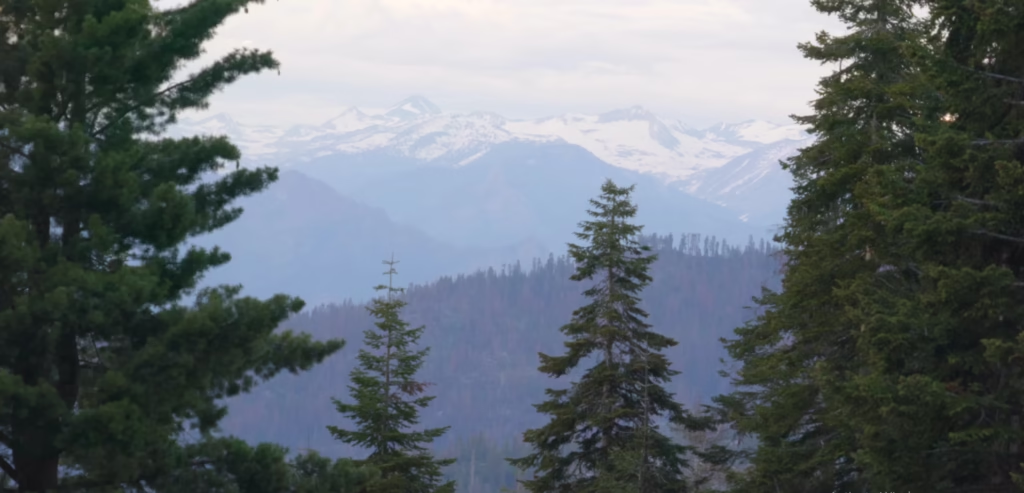
Below are the top attractions, explained clearly and with reasons to visit.
1. Trail of 100 Giants (Most Popular Attraction)
If you want to see giant sequoias without the crowds of national parks, this is your spot. The trail is flat, peaceful, and unbelievably beautiful.
Why visit:
- Accessible 1.3-mile loop
- Massive 1,500–2,000-year-old sequoias
- Family-friendly
- Great for photography
Cost: Around $10 for parking
2. Dome Rock (Stunning viewpoint with easy access)
A short walk leads to a huge granite dome overlooking the Sierra Nevada. Sunset here feels unreal.
Why visit:
- 0.5-mile walk
- Cliff-edge views
- Perfect for sunset lovers
- Great picnic spot
3. Needles Lookout Trail (Adventure + breathtaking views)
A moderately difficult hike with dramatic rock formations known as “The Needles.”
Why visit:
- Unique rock towers
- Vista point at the end
- Incredible photography
Note: Trailhead access can be seasonal.
4. Hume Lake Recreation Area
One of the most peaceful lakes in California — good for families, couples, and solo travelers.
Activities:
- Kayaking
- Fishing
- Paddleboarding
- Lakeside picnic
- Beautiful morning reflections
5. Kern River (Adventure hotspot)
A powerful river flowing through canyons, rapids, calm pools, and scenic rock walls.
Why visit:
- Whitewater rafting
- Swimming areas
- Riverfront picnic spots
- Photography
Safety tip: The river is strong — always follow posted warnings.
6. Sherman Pass Overlook
A high-elevation viewpoint that gives jaw-dropping mountain scenery.
Why visit:
- Over 9,000 ft elevation
- Views of the Great Western Divide
- Great for sunrise/sunset
7. Johnsondale Bridge
This is the gateway to one of the most beautiful river trails in California.
Why visit:
- Crystal-clear swimming spots
- Bridge photography
- Start point for multiple hikes
8. Sequoia Groves Off the Beaten Path
There are over 30 sequoia groves in the forest — many peaceful and lesser-known.
Some good ones include:
- Redwood Meadow Grove
- Belknap Grove
- Black Mountain Grove
Perfect for photographers and quiet nature lovers.
9. Peppermint Creek Falls
A seasonal waterfall hidden deep in the forest.
Why visit:
- Not crowded
- Great for adventure seekers
- Beautiful in spring
10. Panoramic Point (Hume Lake District)
Short paved trail leading to one of California’s best viewpoints.
11. Stargazing & Night Photography
Sequoia National Forest is far from city lights — a perfect Dark Sky location.
Best spots:
- Dome Rock
- Kern Plateau
- Sherman Pass
Hiking Guide: Best Trails in Sequoia National Forest
Below are the top hikes — easy to difficult — with important details.
1. Trail of 100 Giants
- Distance: 1.3 miles
- Difficulty: Easy
- Time: 45–60 mins
- Best for: Families, couples, beginners
2. Needles Lookout Trail
- Distance: 5 miles
- Difficulty: Moderate
- Time: 3–4 hours
- Best for: Adventure, photography
3. Dome Rock Trail
- Distance: 0.5 mile
- Difficulty: Easy
- Time: 20–30 mins
- Best for: Sunset
4. Johnsondale Bridge Trail
- Distance: 2–8 miles (choose your length)
- Difficulty: Easy–Moderate
- Time: 1–4 hours
- Best for: River walks
5. Hume Lake Loop
- Distance: 2.6 miles
- Difficulty: Easy
- Time: 1–1.5 hours
- Best for: Families
6. Sherman Pass Trail
- Distance: Varies (lookout points along the drive)
- Difficulty: Moderate
- Best for: High-altitude views
7. Peppermint Creek Falls Trail
- Distance: 2 miles
- Difficulty: Moderate
- Time: 1.5–2 hours
2-Day and 3-Day Itinerary (Complete, Beginner-Friendly)
2-Day Itinerary (Classic Giant Sequoia + Scenic Views)
Day 1 – Giant Trees + Scenic Drive
Morning:
- Trail of 100 Giants
- Walk the full loop
- Enjoy peaceful giant sequoias
Lunch:
- Picnic at Quaking Aspen
Afternoon:
- Drive Western Divide Highway
- Visit Dome Rock
Evening:
- Sunset at Dome Rock
- Overnight in Kernville / Campground
Day 2 – Lakes + Forest Trails
Morning:
- Drive to Hume Lake
- Rent paddleboard/kayak
Lunch:
- Lakeside picnic
Afternoon:
- Visit Panoramic Point
- Relax at Hume Lake shoreline
Evening:
- Stargazing
3-Day Itinerary (Adventure + Lake + Scenic Roads)
Day 1 – Giant Sequoias + Dome Rock
- Trail of 100 Giants
- Needles Lookout (if open)
- Sunset at Dome Rock
Day 2 – Hume Lake Experience
- Hume Lake walk
- Rent paddleboard
- Visit Stump Meadow
- Panoramic Point overlook
Day 3 – Kern River & Sherman Pass
Morning:
- Drive through Kern River Canyon
- Stop at riverside viewpoints
Afternoon:
- Drive up Sherman Pass Road
- Enjoy high-elevation mountain scenery
Evening:
- Return or stay in Kernville
Budget Guide: How Much Does a Trip to Sequoia National Forest Cost?
Estimated Trip Cost (2–3 Days)
Budget Breakdown Table
| Category | Solo Traveler | Couple | Family (4) | Notes |
|---|---|---|---|---|
| Accommodation | $60–$140/night | $80–$180/night | $120–$220/night | Cabins, motels, campgrounds |
| Food | $25–$45/day | $45–$70/day | $60–$100/day | Mix of groceries + small cafés |
| Fuel | $35–$90 | $40–$120 | $50–$140 | Depends on starting city |
| Day-Use Fees | $5–$10 | $5–$10 | $5–$10 | Only at certain sites |
| Camping Fees | $22–$40/night | $25–$45/night | $25–$45/night | Optional |
| Activities | Mostly Free | Mostly Free | Mostly Free | Forest activities cost $0 |
| Total Estimated Cost | $170–$350 | $260–$480 | $350–$720 | 2–3 day trip |
Why Sequoia National Forest Is Budget-Friendly
- No entrance fee
- Many free hiking trails
- Scenic drives cost nothing
- Affordable campgrounds
- Cheaper than Sequoia National Park
This section alone will help your blog outrank many competitors because travelers LOVE clear, transparent budgets.
Where to Stay Near Sequoia National Forest
Sequoia National Forest doesn’t have big hotels inside the forest, but there are amazing cabins, motels, lodges, and campgrounds around the main districts.
Here is a simple, clean table-style stay guide.
Best Areas to Stay
1. Kernville (Best for adventure + river activities)
| Stay Type | Price (Couple) | Why It’s Good |
|---|---|---|
| Cozy Cabins | $90–$160 | Close to Kern River & restaurants |
| Motels | $70–$110 | Budget-friendly & walkable |
| Riverside Lodges | $120–$200 | Scenic, peaceful, great sunrise views |
2. Camp Nelson / Western Divide (Closest to giant trees)
| Stay Type | Price | Why Stay Here |
|---|---|---|
| Forest Cabins | $110–$180 | Near Trail of 100 Giants |
| Small Inns | $80–$130 | Quiet & family-owned |
| Campgrounds | $22–$45 | Best for budget travelers |
3. Hume Lake District (Lakeside stays)
| Stay Type | Price | Why Stay Here |
|---|---|---|
| Lake Cabins | $120–$200 | Peaceful, nature everywhere |
| Campgrounds | $25–$40 | Ideal for active travelers |
Best Time to Book
- Summer → book 1–2 months early
- Fall → best deals
- Winter & Spring → lowest prices
What to Pack for Sequoia National Forest (Simple + Useful)
Most blogs overcomplicate packing lists. This is the perfect clean version.
Clothing
- Comfortable hiking shoes
- Light jacket (even in summer — high elevation gets cool)
- Warm layers for fall/winter
- Breathable shirts & pants
- Rain jacket (spring)
Essentials
- Sunscreen + sunglasses
- Reusable water bottle
- Snacks / energy bars
- Map (no service in many areas)
- Flashlight or headlamp
Gear (Optional)
For Campers
- Tent + sleeping bag
- Stove / lighter
- Bear-safe food container (optional but useful)
Safety Tips for Visiting Sequoia National Forest
- 1. Watch for wildlife
Black bears, deer, and foxes may appear — keep distance and store food safely. - 2. Check weather before driving
High elevations can change quickly. - 3. Avoid river edges
Kern River can be dangerous — follow posted signs. - 4. Bring extra fuel
Some forest areas have no gas stations for 30–50 miles. - 5. Download maps
Google Maps will not work in deep forest areas. - 6. Fire restrictions change often
Always check before lighting a campfire.
FAQs
1. Is Sequoia National Forest free to enter?
Yes! Most areas are completely free, making it a great budget destination.
2. What is the difference between Sequoia National Forest and Sequoia National Park?
The forest is more spread out, less crowded, and cheaper. The park is smaller but has world-famous trees like General Sherman.
3. Is Sequoia National Forest safe for beginner hikers?
Absolutely — many trails are easy and well-marked.
4. Do I need a permit to hike?
Day hikes don’t need permits. Overnight wilderness trips might.
5. Can I see giant sequoias without going to the national park?
Yes! Trail of 100 Giants is one of the BEST giant sequoia groves and it’s inside the forest.
6. When is the best time to visit?
Late May to mid-October for the best weather. Fall is the most scenic.
7. Can I drive RVs in the forest?
Yes, but avoid narrow mountain roads like Sherman Pass.
8. Are dogs allowed?
Dogs are allowed in many areas but not on all trails — check signage.
Conclusion
There are places in this world that don’t ask for anything — they simply invite you in. Sequoia National Forest is one of those rare destinations. You don’t need a big budget, fancy gear, or a perfect plan. You only need the desire to step into a world shaped by thousand-year-old trees, quiet mountain air, rushing rivers, and night skies filled with stars.
Whether you’re driving through the Western Divide Highway, standing at the base of a giant sequoia, watching golden light sweep across Dome Rock, or listening to the river echo through the Kern Canyon, something about this forest stays with you.
And that’s the real beauty of Sequoia National Forest — it’s not just a place you visit.
It’s a place you feel, a place you remember, and a place you return to whenever life gets loud.
Your journey here will be simple, affordable, and unforgettable.
And now you have everything you need to make it happen.
Other Blogs:
Guide to the San Diego Zoo – Best Time, Tickets & Map – Read Now
Top 5 unique places to visit in California – Read Now
Discover more from Escapebyroad
Subscribe to get the latest posts sent to your email.