Introduction:
Have you ever walked on a beach at night and seen the ocean glow beneath your feet? That magical blue sparkle is real—it’s called bioluminescence, and you can actually experience bioluminescent beaches in the USA. Whether you’re a family looking for a unique trip, a young professional craving adventure, or a solo traveler chasing once-in-a-lifetime moments, visiting a bioluminescent beach will leave you speechless.
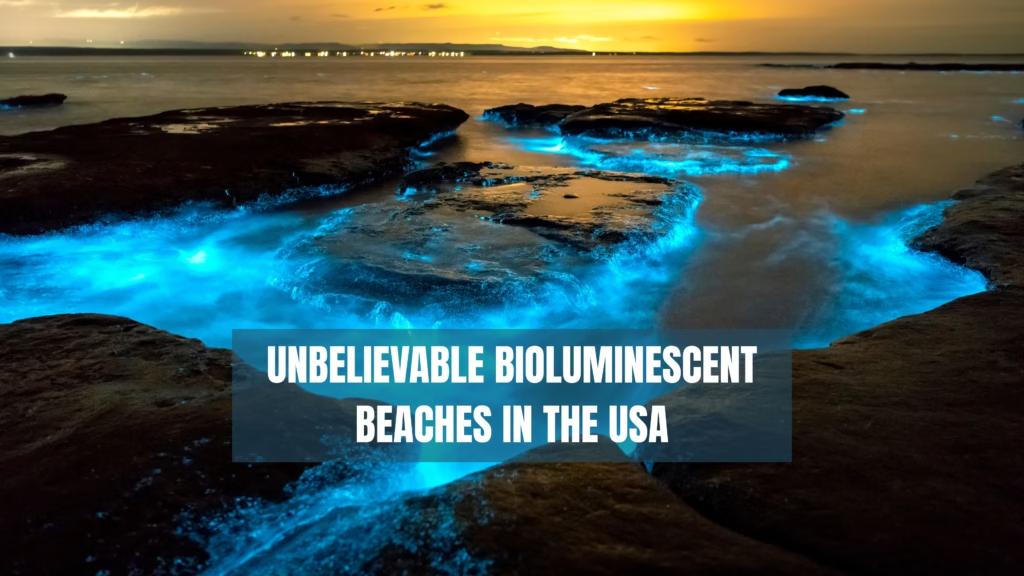
I first saw bioluminescence in Florida, and I’ll be honest—I didn’t believe it at first. I thought it was just a photography trick until I dipped my hand in the water and watched glowing streaks follow my fingers. Since then, I’ve been obsessed with chasing these glowing beaches. In this guide, I’ll share how to reach them, the best stops along the way, things to do once you’re there, where to eat, and tips for your return trip.
How to Reach Bioluminescent Beaches in the USA
Bioluminescent beaches are found in a few key places across the USA — mainly Florida, California, and Puerto Rico. Each region has different transportation options, so here’s a complete guide covering flights, self-drive routes, trains, buses, ferries, rentals, and local travel.
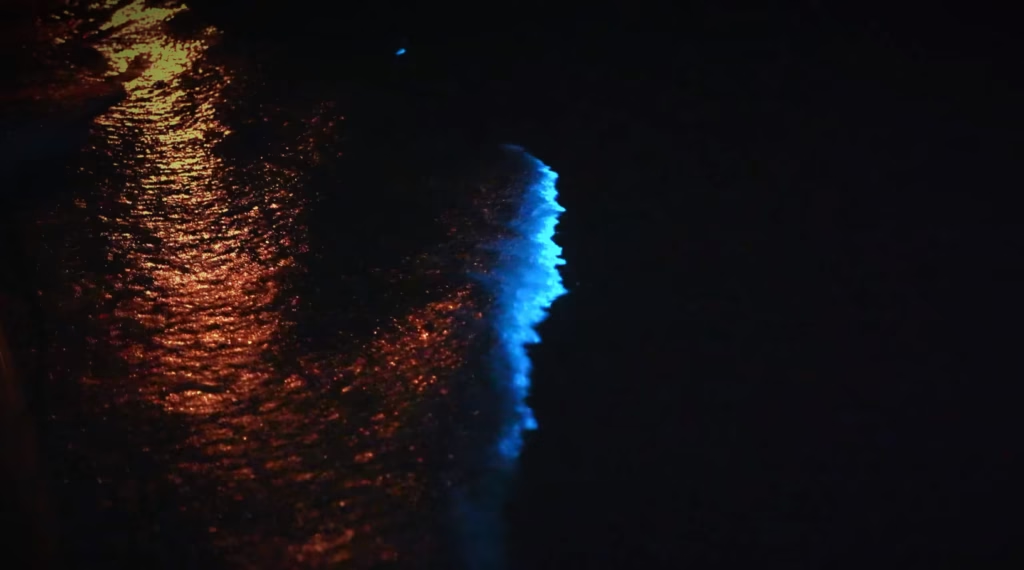
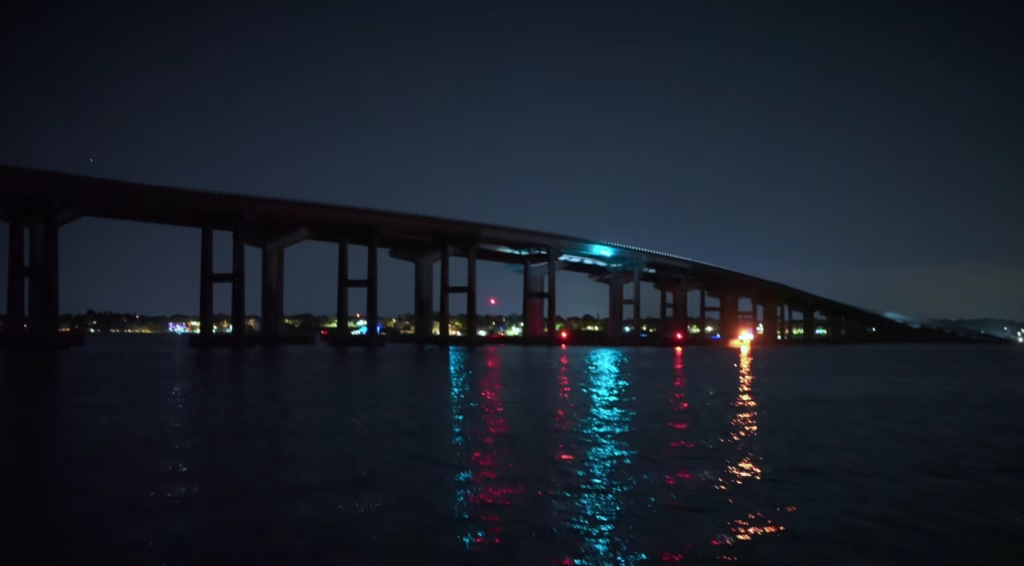
1. Florida Bioluminescent Beaches (Most Popular: Merritt Island, Cocoa Beach, Titusville, Mosquito Lagoon)
Nearest Major Airports
- Orlando International Airport (MCO) – 45–60 min from Cocoa Beach
- Melbourne Orlando International Airport (MLB) – 30–40 min
- Daytona Beach International Airport (DAB) – 45–55 min
How to Reach by Car
- From Orlando → Cocoa Beach/Titusville:
Route: FL-528 E (Beachline Expressway) → A1A
Time: 45–60 minutes - From Miami → Space Coast:
Route: I-95 N → Exit 201–205
Time: 3–4 hours
By Bus
- Greyhound runs to Cocoa Beach, Melbourne, and Titusville.
- Local buses: Space Coast Area Transit connects the city to the beaches.
By Train
- Brightline Train to Orlando, then rent a car or take a shuttle to the coast. No direct train to the beaches, but this works for budget travelers.
Local Transportation
- Uber/Lyft
- Hotel shuttles
- Bike rentals at Cocoa Beach
- Kayak tour pickup vans are available from most hotels.
Parking Info
- Public beach parking is available at Cocoa Beach Pier, Jetty Park, Playalinda Beach.
- Paid parking lots charge $10–20 depending on the area.
2. California Bioluminescent Beaches (Best Spots: Laguna Beach, Venice Beach, Torrey Pines, San Diego, Malibu)
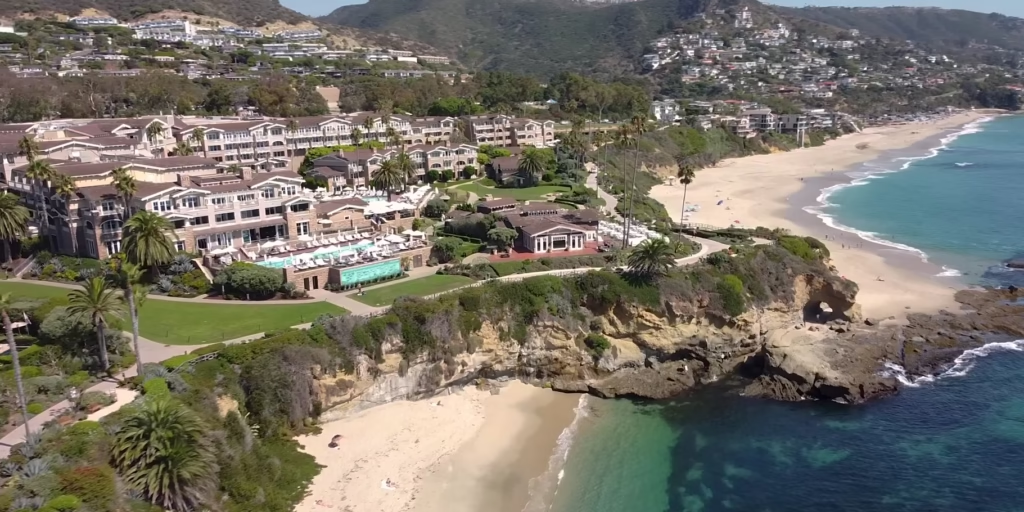
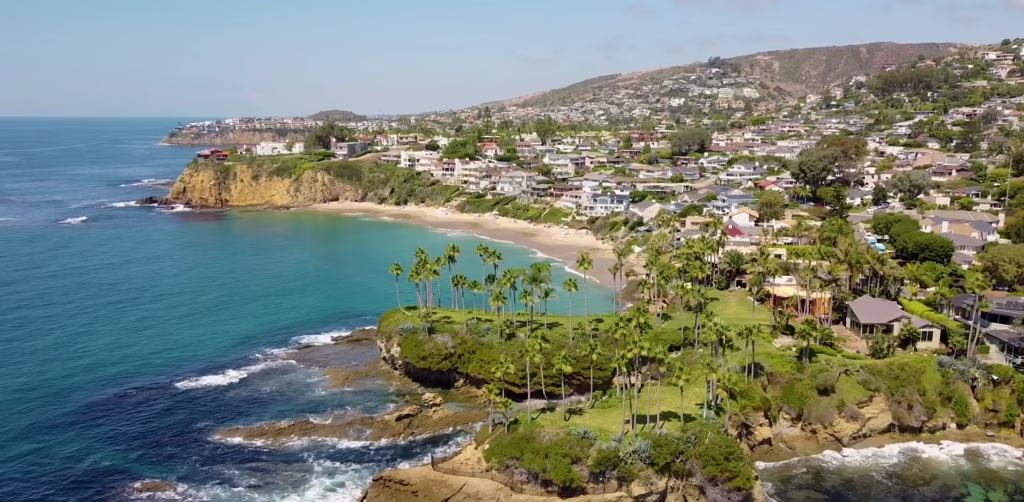
Bioluminescence appears seasonally along the Southern California coast.
Nearest Major Airports
- Los Angeles International Airport (LAX) – closest to Venice, Malibu
- San Diego International Airport (SAN) – for La Jolla, Torrey Pines
- John Wayne Airport (SNA) – closest to Laguna Beach
How to Reach by Car
- From Los Angeles → Malibu/Venice:
Route: US-101 or CA-1 (Pacific Coast Highway)
Time: 30–60 min - From San Diego Airport → La Jolla/Torrey Pines:
Route: I-5 N → Torrey Pines Rd
Time: 20–35 min - From Orange County → Laguna Beach:
Route: CA-133 S
Time: 20–25 min
By Bus
- Metro Bus (LA) and OCTA (Orange County) reach most coastal towns.
- From San Diego → La Jolla: Bus routes 30, 101, 150.
By Train
- Amtrak Pacific Surfliner stops near many coastal regions:
- San Clemente
- Oceanside
- Ventura
- Santa Barbara
- From the station, travelers can take a bus or rideshare.
Local Transportation
- Rideshare: Uber/Lyft
- Beach trolleys in Laguna Beach (free in summer)
- Scooter and bike rentals
- Parking lots at major beaches, usually paid
3. Puerto Rico Bioluminescent Bays (Fajardo, Vieques, Lajas / Top Bioluminescence in the US Territory)
Puerto Rico has the brightest bioluminescent bays in the world.
Nearest Major Airports
- San Juan (SJU) – main entry
- To reach Vieques Island, use:
- Small flight from SJU or Isla Grande Airport
- Ferry from Ceiba
How to Reach by Car
- From San Juan → Fajardo:
Route: PR-66 → PR-3
Time: 1 hour - From San Juan → Lajas (La Parguera):
Route: PR-52 S → PR-2
Time: 2–2.5 hours
By Bus
- Intercity buses are limited. A rental car or taxi is recommended.
By Ferry
To visit Vieques Bio Bay:
- Ferry from Ceiba Ferry Terminal → Vieques
- Time: 30–45 minutes
By Local Flights
Small 10–20 seat planes fly from:
- San Juan → Vieques (25 minutes)
- San Juan → Culebra
Local Transport
- Shared taxis (publicos)
- Scooter/jeep rentals on Vieques
- Shuttles provided by tour operators
4. General Tips for Reaching Bioluminescent Beaches
Best Way (Overall): Car or Rental Car
Bioluminescence viewing requires traveling at night, so public transport options are limited. Self-driving gives the most flexibility.
Cheapest combination for Florida and California beaches.
Best for Scenic Travel: Train + Coastal Bus
California’s Pacific Surfliner is ideal for those who want a scenic journey.
For Islands: Flight or Ferry
Especially essential for Vieques, which has the brightest glow.
Best Places to Stop on the Way
Part of the fun is making the journey memorable.
- Florida Road Trip Stops: Kennedy Space Center (kids love it!), Merritt Island Wildlife Refuge, and Daytona Beach.
- California Road Trip Stops: Point Reyes Lighthouse, Napa Valley wine country, and Golden Gate Bridge if you’re coming from San Francisco.
- Washington Road Trip Stops: Deception Pass State Park and quaint coastal towns like Anacortes.
These little detours make the trip more than just about the glowing waves—they turn it into a complete adventure.
Things to Do at Bioluminescent Beaches
The glowing water is the highlight, but don’t just stop there:
1. Take a Night Walk Along the Shore
The simplest and most magical experience — walk slowly along the shoreline and watch glowing blue waves roll in. Every step creates tiny sparkles as bioluminescent plankton react to movement.
2. Go for a Gentle Night Swim
If swimming is allowed and safe, moving your hands through the water creates neon trails of light. It feels like swimming in liquid stars — a truly once-in-a-lifetime experience.
3. Kayak Through the Glowing Waters
Bioluminescence becomes more visible when disturbed, so kayaking is one of the best ways to see it. Every paddle stroke creates bright blue swirls around your kayak.
4. Capture Long-Exposure Photos
Use a tripod and long-exposure settings to photograph the glowing waves. Bioluminescence is hard to capture normally, but long-exposure shots can highlight the magical blue glow beautifully.
5. Go Paddle Boarding at Night
A calm paddleboard ride lets you glide over fields of glowing plankton. Each slow movement sends a trail of light under your board.
6. Join a Guided Night Tour
Local experts know the best viewing spots and safest conditions. Tours can include kayaking, boat rides, or walking routes to maximize your chances of seeing the brightest glow.
7. Enjoy a Romantic Beach Picnic
Spread out a blanket, sit back, and watch the glowing shoreline. The combination of starlight and neon-blue waves makes this one of the most romantic beach experiences in the world.
8. Watch Marine Life Glow in the Water
Fish, crabs, and even small waves can create sparkling trails as they move through bioluminescent plankton. Be patient — nature puts on its own light show.
9. Write or Draw in the Sand Using Light
Gently drag your fingers through the wet sand near the waterline. Some beaches glow when touched, letting you “draw” with natural light.
10. Relax and Stargaze Beside the Water
Most bioluminescent viewing happens in dark areas with low light pollution. After the light show in the water, look up — you may also get a sky full of stars.
My Experience: The first time I tried to photograph it, I failed miserably—ended up with just black shots. Now I know: enjoy with your eyes first, and if you want good pictures, join a guided photo tour.
Where to Eat Nearby
Good food makes any trip better!
- Florida (Cocoa Beach): Try Florida’s Fresh Grill for seafood or Long Doggers for casual bites.
- California (Tomales Bay): Known for fresh oysters—head to Hog Island Oyster Co.
- Washington (San Juan Islands): Downriggers in Friday Harbor has stunning views with fresh seafood.
Tip for Families: Pack snacks and water for night tours—restaurants may be closed when you return.
Return Route Tips
- Plan for Late Nights: Most tours end around midnight—so drive safely, or book a nearby stay.
- Avoid Driving Right Away: If you’re tired, stay overnight at a beach hotel or Airbnb.
- For Families: Bring warm clothes and blankets—kids often fall asleep after tours, so having a cozy car setup helps.
- Solo Travelers: Morning routes are less crowded, so consider resting and heading back at sunrise.
Conclusion:
Experiencing bioluminescent beaches in the USA is like stepping into another world—perfect for families, young professionals, or solo explorers. Just remember to pack:
What to Pack
- Comfortable nightwear & light jacket – Click Here
- Waterproof shoes or sandals – Click Here
- Bug spray (trust me, this is essential!) – Click Here
- Snacks and water bottles – Click Here
- A flashlight or headlamp (with a red-light setting if possible) – Click Here
FAQ
Q: When is the best time to see bioluminescence in the USA?
A: The best time is during warm summer months on moonless nights for the brightest glow.
Q: Can kids join bioluminescent kayaking tours?
A: Yes, many tours are family-friendly, but check age restrictions with your tour operator.
Q: Do you need special equipment to see bioluminescence?
A: No—just your eyes. But waterproof shoes, bug spray, and a flashlight are helpful.
Other Contents:
Goose Rocks Beach, Kennebunkport (Maine’s) – Click Here
Discover Rehoboth Beach, Wilmington – Click Here
Discover more from Escapebyroad
Subscribe to get the latest posts sent to your email.